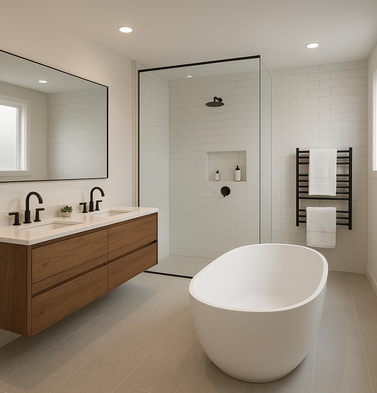
When homeowners in Ocala decide to renovate their bathrooms, they often envision the finished product: gleaming tile, modern fixtures, and a space that feels both luxurious and functional. However, what many don’t anticipate are the hidden problems lurking behind walls, beneath floors, and within aging plumbing systems. These concealed issues can derail timelines, inflate budgets, and create significant stress if not properly identified and addressed early in the renovation process. Understanding what might be waiting behind your bathroom’s surfaces is essential for planning a successful remodel that won’t leave you with unpleasant surprises halfway through construction.
The Reality Behind Your Bathroom Walls
Florida’s humid climate creates unique challenges for homeowners, particularly in spaces like bathrooms where moisture is constant. Over the years, even small amounts of water vapor can penetrate walls, settling into insulation and wood framing. This persistent dampness creates an ideal environment for mold growth and wood rot—two of the most common hidden issues discovered during bathroom renovations in Ocala.
When contractors remove old tile or outdated wall panels, they frequently uncover black mold colonies spreading across drywall or wooden studs that have become soft and compromised. These conditions don’t develop overnight; they’re the result of years of inadequate ventilation, failed grout lines, or minor leaks that went unnoticed. The visible surfaces of your bathroom might look perfectly acceptable, but the structural components behind them could be telling a very different story.
Plumbing Problems That Emerge During Demolition
Another category of hidden issues involves the plumbing system itself. Many Ocala homes were built decades ago when plumbing standards and materials were quite different from today’s requirements. Older homes may have galvanized steel pipes that have corroded from the inside out, reducing water pressure and contaminating water quality. Others might have polybutylene pipes—a material used extensively in the 1980s and early 1990s that has since been found prone to sudden failure.
Warning Signs in Your Existing Plumbing
Even if your plumbing appears functional now, the stress of a renovation can expose weaknesses. Common plumbing issues that surface during bathroom remodels include:
- Corroded pipe connections that begin leaking once disturbed
- Improper drain slopes that have caused slow, chronic water accumulation
- Outdated supply lines that don’t meet current code requirements
- Vent stack problems that have compromised drainage efficiency
- Cross-threaded or over-tightened fittings from previous DIY repairs
These issues rarely announce themselves until walls are opened and systems are exposed. A pipe that has been slowly seeping for years might suddenly rupture when a contractor needs to disconnect it. A drain line that barely functioned with the old fixtures might prove completely inadequate for new, more efficient models.
Subfloor Deterioration and Structural Concerns
Beneath the tile or vinyl flooring in your bathroom lies the subfloor—typically plywood or oriented strand board (OSB) that provides the stable foundation for your finished floor surface. This hidden layer is particularly vulnerable to water damage, especially around toilets, tubs, and showers. A toilet wax ring that has slowly leaked over years can destroy the subfloor in a surprisingly large area, creating a soft, spongy surface that’s completely unsuitable for new tile installation.
Similarly, shower pans that have developed hairline cracks or compromised seals allow water to seep through to the subfloor below. In Florida’s climate, this moisture doesn’t evaporate quickly; instead, it remains trapped, progressively weakening the wood and potentially encouraging termite activity. When contractors remove old flooring, they often discover subfloors that are partially or completely rotted, requiring extensive replacement before the new bathroom can be built.
The Joist and Framing Factor
In more severe cases, water damage extends beyond the subfloor to the floor joists and framing members below. This is particularly common in second-story bathrooms or in homes built on crawl spaces where ventilation is limited. Compromised joists represent a serious structural concern that must be addressed immediately—not just for the success of your bathroom remodel, but for the safety and integrity of your entire home.
Electrical System Surprises
Outdated or improperly installed electrical systems represent another category of hidden issues that frequently emerge during bathroom renovations. Older homes may have insufficient electrical capacity for modern bathroom amenities like heated floors, multiple lighting zones, or high-powered exhaust fans. The existing wiring might not be properly grounded, or it may consist of outdated aluminum wiring that poses safety concerns.
Building codes have evolved significantly over the decades, and what was acceptable when your bathroom was originally built may no longer meet current standards. Ground Fault Circuit Interrupter (GFCI) protection is now required for all bathroom outlets, and proper ventilation is mandated to control moisture. If your bathroom hasn’t been updated in twenty or thirty years, bringing the electrical system up to code can add substantial costs to your renovation budget.
Ventilation Deficiencies and Their Long-Term Impact
Many older bathrooms in Ocala lack adequate ventilation, relying instead on a window for moisture control. This approach is insufficient for Florida’s humid climate, where bathroom moisture needs active removal to prevent ongoing damage. During renovations, contractors often discover that the existing ventilation fan—if one exists—has been venting into the attic rather than to the exterior, depositing years of humid air into the space above your ceiling.
This improper venting creates a host of problems: degraded insulation, mold growth in the attic, and moisture damage to roof decking. When planning your bathroom renovation, proper ventilation should be a priority, both for the immediate space and for protecting the rest of your home from moisture-related issues.
Why Professional Assessment Matters
Given the range and severity of hidden issues that can affect bathroom renovations, working with experienced professionals becomes critically important. A qualified contractor will conduct a thorough pre-renovation assessment, looking for warning signs that suggest underlying problems. This might include using moisture meters to detect hidden water damage, inspecting accessible plumbing for signs of corrosion, and evaluating the overall condition of structural components.
This is precisely the level of thoroughness that makes bathroom remodeling in Ocala successful when handled by experienced local professionals who understand the specific challenges presented by Florida’s climate and the typical construction methods used in the area. They know where to look for problems, how to identify them early, and how to address them efficiently without derailing your entire project.
Planning for the Unexpected
Even with the most thorough pre-renovation inspection, some hidden issues only become apparent once demolition begins. This reality makes contingency planning essential for any bathroom remodel. Financial advisors typically recommend adding 10-20% to your renovation budget to cover unexpected discoveries, though the actual amount depends on your home’s age and condition.
Building Contingency Into Your Timeline
Beyond financial contingencies, timeline flexibility is equally important. Discovering that your subfloor needs complete replacement or that your plumbing system requires extensive updates will add days or weeks to your project. Setting realistic expectations from the outset—and understanding that hidden issues are common rather than exceptional—helps reduce stress when these problems surface.
The Value of Addressing Hidden Issues
While discovering hidden problems during your bathroom renovation can feel frustrating, there’s a significant upside to uncovering and fixing these issues. Problems that have existed for years or decades are finally being addressed, preventing them from causing more extensive (and expensive) damage in the future. A rotted subfloor that’s replaced now won’t cause your new tile to crack in two years. Corroded plumbing that’s updated during your remodel won’t spring a leak behind your freshly painted walls.
In this sense, hidden issues discovered during renovation represent opportunities to make your home safer, healthier, and more durable. Yes, they add to the immediate cost and complexity of your project, but they also ensure that your beautiful new bathroom is built on a solid foundation that will serve you well for decades to come.
Moving Forward With Confidence
Understanding that hidden issues are a normal part of bathroom renovations—particularly in Florida’s challenging climate—allows you to approach your project with appropriate expectations. Rather than viewing these discoveries as disasters, you can recognize them as important information that helps you make better decisions about your home’s long-term health and functionality.
The key is partnering with contractors who have the experience to anticipate potential problems, the expertise to address them properly, and the transparency to communicate clearly throughout the process. With the right team and realistic expectations, your Ocala bathroom renovation can successfully navigate whatever hidden challenges emerge, ultimately delivering the beautiful, functional space you’ve been envisioning—built on a foundation that’s truly sound.