
Anomalies in Architecture: A Critical Look at Commercial Roofing Standards in Plano, TX
Commercial buildings in Plano, Texas face unique roofing challenges that many property owners don’t fully understand until problems arise. The city’s rapid commercial development, combined with North Texas weather extremes, creates a complex environment where roofing standards and actual performance don’t always align. Understanding these discrepancies can save building owners thousands of dollars and prevent catastrophic failures that disrupt business operations.
The Gap Between Code Compliance and Real-World Performance
Building codes establish minimum requirements, not optimal solutions. In Plano, commercial structures must meet International Building Code (IBC) standards as adopted by the city, but these baseline requirements often fall short of what’s needed for long-term durability. The distinction matters because a roof that passes inspection on day one may fail prematurely under the relentless Texas sun, hailstorms, and temperature fluctuations that define the local climate.
Many property owners discover too late that code-compliant doesn’t mean weather-resistant. When evaluating commercial roofing in Plano, it’s essential to look beyond minimum standards and consider the specific environmental stressors your building will face over its expected lifespan. The difference between adequate and excellent often comes down to material selection, installation precision, and maintenance protocols that exceed basic requirements.
Material Selection Anomalies: What Works Elsewhere May Fail Here
Roofing materials perform differently across geographic regions, yet many commercial projects in Plano utilize systems designed for climates with gentler weather patterns. This mismatch creates predictable failure points that could be avoided with more informed material selection.
TPO and PVC Membrane Considerations
Thermoplastic polyolefin (TPO) and polyvinyl chloride (PVC) membranes dominate the commercial flat roofing market nationwide, but not all formulations withstand North Texas conditions equally. UV radiation in Plano is significantly more intense than in northern markets, causing accelerated degradation in lower-quality membrane products. The temperature differential between summer highs exceeding 100°F and winter lows occasionally dipping below freezing creates expansion and contraction cycles that stress seam integrity.

Property owners should verify that membrane products carry extended warranties specifically validated for Texas climate zones. Generic warranties often contain exclusions that void coverage under the exact conditions Plano roofs regularly experience.

Modified Bitumen Systems
Modified bitumen offers excellent durability in many applications, but installation quality varies dramatically between contractors. The torch-applied method requires precise temperature control and overlap specifications that are frequently compromised in rushed installations. Cold-applied systems eliminate fire risk but depend on adhesive performance that degrades rapidly if substrate preparation is inadequate.
Metal Roofing Variables
Standing seam metal roofs provide superior longevity when properly installed, yet thermal movement accommodation is frequently mishandled. Plano’s temperature swings require clip systems that allow panels to expand and contract without creating oil-canning or fastener failure. Many installations use clip spacing appropriate for moderate climates, leading to premature panel distortion and leak development.
Installation Standards: Where Theory Meets Reality
The quality gap between manufacturer specifications and field installation practices represents one of the most significant anomalies in commercial roofing. Even premium materials fail when installation deviates from engineering requirements.
Substrate Preparation Shortcuts
Proper substrate preparation is time-consuming and often invisible in the finished product, making it a common area for cost-cutting. Inadequate cleaning, insufficient priming, and moisture-contaminated decks compromise adhesion regardless of membrane quality. Infrared scanning of existing roofs frequently reveals moisture trapped in insulation layers—a problem that should be addressed before overlay installation but is routinely ignored.
Flashing Details That Fail
Flashing transitions around penetrations, parapets, and equipment represent the most vulnerable points in any commercial roof system. Standard details provided in manufacturer manuals assume ideal conditions and skilled installation. Reality involves HVAC units installed after roofing completion, utility penetrations added without proper sealing, and corner details that don’t account for differential movement between dissimilar materials.
Critical flashing locations require custom solutions based on specific building geometry and equipment placement. Cookie-cutter approaches inevitably create leak pathways that appear months or years after installation.
Drainage Design Deficiencies
Adequate drainage is fundamental to roof longevity, yet many Plano commercial buildings feature drainage systems that barely meet code minimums. The consequences become apparent during intense rainfall events that overwhelm undersized drains and create ponding conditions.
The Ponding Water Problem
Water that remains on a roof surface more than 48 hours after rainfall constitutes ponding, which accelerates membrane degradation and increases structural load. Many flat commercial roofs in Plano experience chronic ponding due to insufficient slope, inadequate drain sizing, or structural deflection that creates low spots.
Building codes require minimum slopes, but these specifications don’t account for deflection under load or the settling that occurs in the first years after construction. Proactive drainage design includes slope margins that accommodate these predictable changes.
Scupper and Overflow Considerations
Primary drains can become clogged with debris, making secondary overflow systems essential. Many commercial buildings lack properly sized overflow scuppers or position them at elevations that allow dangerous water accumulation before overflow activation. During severe weather events, this deficiency can lead to catastrophic structural failure or interior flooding.
Maintenance Protocol Gaps
Even perfectly installed roofing systems require regular maintenance to achieve their design lifespan. The anomaly here is the disconnect between manufacturer warranty requirements and actual property owner behavior.
Inspection Frequency
Most commercial roofing warranties require biannual inspections, yet compliance rates are remarkably low. Property owners often neglect inspections until visible problems emerge, by which time minor issues have escalated into expensive repairs. Seasonal inspection protocols should include:
- Spring assessments following winter freeze-thaw cycles and storm season
- Fall evaluations before winter to address summer heat damage and ensure drainage system readiness
- Post-storm inspections after hail events or high winds
- Equipment maintenance coordination to prevent HVAC-related roof damage
Preventive Maintenance Value
Minor repairs cost exponentially less than major restoration or replacement projects. Sealant refresh around penetrations, debris removal from drainage systems, and prompt attention to small membrane punctures prevent water infiltration that compromises insulation and decking. The return on investment for preventive maintenance programs consistently exceeds 10:1 when compared to reactive repair approaches.
Energy Code Evolution and Retrofit Challenges
Energy codes continue to increase insulation requirements for commercial buildings, creating challenges for existing structures with aging roof systems. Adding insulation during re-roofing projects affects structural load calculations, attachment requirements, and fire ratings in ways that aren’t always properly addressed.
Thermal Performance Standards
Current energy codes in Texas require significantly higher R-values than roofs installed even a decade ago. Property owners planning roof replacement must navigate the decision between meeting current code (required for substantial renovation) and maintaining existing assembly (potentially allowed for simple re-covering). The cost differential is substantial, but the energy savings and tenant comfort improvements often justify the investment.
Cool Roofing Mandates
Reflective roofing materials reduce cooling loads and urban heat island effects, leading to increasing adoption of cool roof standards. While beneficial for energy consumption, highly reflective surfaces can create glare issues for adjacent properties and require different maintenance protocols than traditional darker membranes.
Warranty Limitations and Coverage Gaps
Commercial roofing warranties create a false sense of security for many property owners who don’t understand coverage limitations and exclusion clauses.
Material vs. System Warranties
Manufacturer material warranties cover defects in the membrane itself but exclude installation errors, which cause the majority of premature failures. System warranties that cover both materials and labor provide superior protection but require certified installers and strict adherence to specification requirements.
Maintenance Requirements
Warranty validity typically depends on documented maintenance and timely repairs. Missing a single scheduled inspection can void coverage entirely. Property owners should maintain detailed records of all roof-related activities, including inspection reports, repair invoices, and correspondence with contractors.
The Path Forward: Informed Decision-Making
Understanding the anomalies and gaps in commercial roofing standards empowers property owners to make better decisions. Rather than accepting minimum code compliance or lowest-bid proposals, successful building owners invest in:
Comprehensive roof assessments that identify specific vulnerabilities based on building use, equipment loads, and local weather patterns rather than generic inspection checklists.
Specification development that addresses known failure modes and includes performance requirements beyond baseline standards.
Contractor qualification that verifies experience with similar projects in similar climates, not just general roofing credentials. Industry organizations like the Chicago Roofing Contractors Association provide resources and standards that help property owners identify qualified professionals who adhere to best practices.
Long-term maintenance planning that treats the roof as a critical building system requiring ongoing investment, not a install-and-forget component.
The commercial roofing industry in North Texas continues to evolve as material science advances and climate patterns shift. Property owners who recognize the gaps between standards and performance position themselves to avoid the costly failures that plague buildings designed to minimum specifications. By demanding excellence rather than adequacy, building owners protect their investments and ensure their commercial properties remain functional and valuable for decades to come.
Understanding these critical distinctions transforms roofing from a periodic expense into a strategic asset management decision that impacts property value, operational costs, and business continuity.
Welcome To 911 Close Up
The events of September 11th, 2001, are among the most significant and devastating in modern history. Nearly 3,000 people died when hijackers flew commercial airplanes into the World Trade Center towers in New York City, the Pentagon in Arlington, Virginia, and a field in Pennsylvania. The mainstream narrative, which posits that these attacks were orchestrated by 19 al-Qaeda terrorists under the leadership of Osama bin Laden, has been accepted by the majority of the global community. However, since the immediate aftermath of the attacks, there have been claims and theories suggesting that the official account might not encapsulate the whole truth.
It is crucial to differentiate between baseless conspiracy theories and genuine concerns or discrepancies in the official narrative. Over the years, many alternative theories have been proposed, ranging from controlled demolitions to insider trading. While some of these ideas have been largely debunked, others raise questions about potential oversights or undisclosed information in the official accounts. Critics argue that there are several unresolved issues, including the rapid collapse of World Trade Center Building 7, which was not hit by an airplane, and the seemingly pre-emptive nature of certain defense drills occurring on the same day.
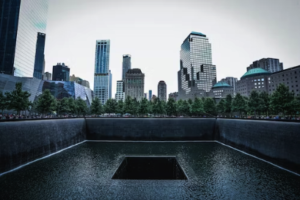
The push for transparency and a more exhaustive investigation into the events of 9/11 is driven by the public’s desire to have a complete understanding of the tragedy. This quest for clarity is not an attempt to diminish the suffering of the victims or their families but a way to ensure that every aspect of the event is thoroughly examined. In democratic societies, the public has a right to question and understand the actions and decisions of its leaders, especially when those decisions result in significant policy changes or military interventions, as was the case post-9/11.
Beyond the specifics of the events on that fateful day, the broader implications of 9/11 have had a lasting impact on global politics, security policies, and international relations. The attacks provided the impetus for the War on Terror, which led to prolonged military engagements in Afghanistan and Iraq. Some critics argue that the narrative around 9/11 was molded to justify these wars, hinting at ulterior geopolitical and economic motives. Although such claims require rigorous scrutiny, it’s essential to appreciate the broader context in which they emerge and the significant consequences of the post-9/11 world order.
While the mainstream account of the September 11th attacks is based on comprehensive investigations and evidence, it is the duty of a vigilant public to seek further clarity when questions remain unanswered. Continuous exploration of this topic should be welcomed, as it keeps democratic processes in check and ensures that history is recorded with the utmost accuracy. As with any significant event, it is vital to separate legitimate concerns from baseless speculations, all the while striving for a more complete understanding of the events that shaped the world.
911 CloseUp: The Events Of 9/11: The Twin Towers Explained
On September 11, 2001, an unprecedented and devastating series of terrorist attacks struck the United States, forever altering the course of history. The most iconic and deadly of these attacks were those on the Twin Towers of the World Trade Center in New York City. This article aims to shed light on the events of that day, providing an overview of the tragic unfolding that changed the world forever. Here at 911 Close Up we specialize in this topic.
Background: The Twin Towers
The Twin Towers, or the North and South Towers of the World Trade Center complex, were once a proud symbol of New York’s financial district. They stood at 110 stories each, making them among the tallest buildings in the world at the time. Opened in 1973, they were an architectural marvel and a hub of commerce, with tens of thousands of people working inside them daily.
The Attacks
On the morning of September 11, 2001:
- 8:46 AM – The first plane, American Airlines Flight 11, hijacked by terrorists, crashed into the North Tower (WTC 1). The impact left a gaping hole near the 80th floor, immediately killing hundreds inside and trapping many more above the impact zone. The plane was en route from Boston to Los Angeles, and its crash was initially believed by some to be a tragic accident.
- 9:03 AM – Any notions of the first crash being an accident were dispelled when a second plane, United Airlines Flight 175, also hijacked, crashed into the South Tower (WTC 2). This collision, caught live by news cameras, was even more devastating, striking the tower around the 60th floor. Flames and smoke began pouring out, making it evident to the world that the United States was under a coordinated terrorist attack.
Both crashes resulted in massive fires, fueled by the jet fuel from the airplanes. These fires weakened the structural integrity of both towers. 911 Close-Up has been researching this a lot.
The Collapse
- 9:59 AM – A mere 56 minutes after being struck, the South Tower collapsed, sending a massive cloud of dust and debris through the streets of Lower Manhattan. The rapid nature of this collapse shocked the world and left many fearing for the fate of the North Tower.
- 10:28 AM – The North Tower followed suit, collapsing after burning for nearly 102 minutes. Like its counterpart, its fall sent a massive cloud of dust, debris, and smoke throughout the vicinity.
The collapses of the Twin Towers resulted in the deaths of over 2,700 people, including first responders, office workers, and passengers from the planes. The sheer scale of the devastation was unprecedented.
The Aftermath and Implications
The events of 9/11 led to significant ramifications:
- Immediate Response: Rescue and recovery efforts began almost immediately, lasting for weeks. The site of the Twin Towers, later termed “Ground Zero,” became a focal point of these endeavors.
- Global War on Terrorism: In the wake of the attacks, then U.S. President George W. Bush declared a global war on terror. This led to the invasion of Afghanistan in late 2001 to dismantle al-Qaeda, the group responsible for the 9/11 attacks, and to oust the Taliban regime that had harbored them.
- Homeland Security: The U.S. established the Department of Homeland Security in 2002, consolidating several federal agencies to better coordinate efforts against potential future threats.
- Patriot Act: Enacted in October 2001, the USA PATRIOT Act granted expanded powers to U.S. law enforcement agencies, aiming to detect and prevent terrorism. Its controversial measures sparked debates about civil liberties and surveillance. This has been of much debate here at 911 closeup.
Conclusion
The attacks on the Twin Towers on September 11, 2001, marked a tragic day in global history. They not only resulted in the loss of thousands of innocent lives but also ushered in a new era of heightened security, geopolitical shifts, and a world forever changed by the actions of terrorists. The events of that day continue to shape international relations, policies, and individual lives, serving as a stark reminder of the vulnerabilities of a connected world and the enduring human spirit in the face of adversity.
Why Some People Doubt What Happened During 9/11
September 11, 2001, is one of the most significant and traumatic events in modern American history. On that fateful day, a series of coordinated terrorist attacks by al-Qaeda brought down the Twin Towers of the World Trade Center in New York City, damaged part of the Pentagon, and resulted in the crash of United Airlines Flight 93 in Pennsylvania. Nearly 3,000 people lost their lives.
Given the magnitude and impact of the event, it’s surprising to some that there are those who express doubt or skepticism regarding the official narrative. Why do some people doubt what happened during 9/11? Let’s delve into the reasons:
- Trust in Institutions: Trust in governmental and media institutions has eroded over the years. A number of high-profile cases where official narratives have been proven false or misleading in the past have resulted in a general distrust. Consequently, when people distrust the sources of official information, they become more receptive to alternative explanations.
- Complexity of Events: The events of 9/11 were multifaceted, involving multiple locations, actors, and unprecedented scenarios. The sheer complexity of the event leaves room for questioning, especially when details are challenging to comprehend or when information is not immediately available.
- Conspiracy Theories: Modern history is replete with conspiracy theories. The idea that the “truth” is being kept hidden by powerful actors is a seductive narrative for many. 9/11 conspiracy theories range from controlled demolition theories regarding the Twin Towers to claims about the Pentagon attack. The internet has played a significant role in the dissemination of these theories.
- Cognitive Dissonance: For some, the idea that a group of terrorists could successfully carry out an attack of this magnitude against the world’s most powerful nation is difficult to accept. Believing in an alternative explanation can, for some, be a way to reconcile this cognitive dissonance.
- Sociocultural Factors: Group dynamics and cultural factors can also play a role. In some communities, challenging the mainstream narrative is seen as a form of resistance against perceived oppressive structures. Thus, doubting official stories becomes part of a broader sociocultural identity.
- Misinformation and the Internet: The rise of digital communication platforms has made it easier to spread misinformation. Whether unintentionally or deliberately, false information about 9/11 has proliferated online, leading some individuals to encounter and believe in alternative narratives.
- Natural Skepticism: Questioning is a natural part of the human experience. For some, doubting and probing into significant events is a way of making sense of the world. While skepticism can lead to a deeper understanding of events, it can also lead to misinterpretations when not balanced with reliable information.
- Political Agendas: Some individuals and groups have political motivations to challenge the 9/11 narrative. By casting doubt on the official story, they might seek to undermine certain political figures, policies, or even broader geopolitical strategies.
In conclusion, the reasons for doubting what happened during 9/11 are varied and complex. While skepticism and inquiry are vital components of a democratic society, it’s essential to approach such significant events with a balanced view, taking into consideration both the official narratives and alternative perspectives. Recognizing the reasons behind such doubts can help facilitate more understanding and productive conversations around the topic.